
How to Store Seasonal Clothes Efficiently for a Clutter-Free Home
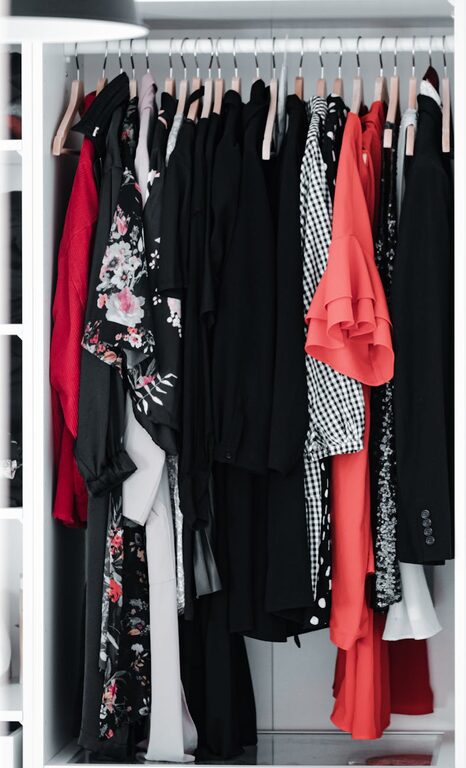
Storing seasonal clothes efficiently is a great way to keep your home tidy and make dressing simpler throughout the year. Whether it’s summer swimwear or winter sweaters, clothes you don’t currently wear need proper care and smart storage solutions. This guide will walk you through easy methods to pack and store your seasonal wardrobe, helping you save space and protect your garments until it’s time to wear them again.
Why Proper Seasonal Storage Matters
When clothes are stored improperly, they can become wrinkled, stained, or even damaged by pests and moisture. Efficient storage not only preserves the quality of your clothes but also helps you maintain an organized closet. By rotating your wardrobe seasonally, you free up everyday space, making it easier to find what you need.
Preparing Your Seasonal Clothes for Storage
Before packing clothes away, it’s important to prepare them properly.
Clean Everything First
– Laundry: Always wash or dry clean clothes before storing. Dirt, sweat, or stains can set over time and attract insects.
– Dry completely: Ensure clothes are completely dry to prevent mildew and mold.
Repair Damages
– Mend small holes or loose buttons to avoid bigger problems later.
– Check for any lingering odors and treat them if necessary.
Sort and Declutter
– Decide what to keep, donate, or discard.
– Storing only the clothes you love and wear makes things simpler.
Choosing the Right Storage Containers
Proper containers protect your clothes and maximize storage space.
Types of Storage Options
– Plastic bins: Ideal for keeping out moisture and pests. Look for sealable, clear bins so you can see inside easily.
– Vacuum-sealed bags: Great for saving space with bulky sweaters and jackets. Just be cautious not to store delicate fabrics this way long term.
– Fabric storage bags: Breathable and gentle, perfect for natural fibers like wool or cashmere.
– Suitcases or storage ottomans: If you have extra luggage or furniture with storage space, these can double as seasonal storage.
What to Avoid
– Avoid cardboard boxes, which absorb moisture and attract pests.
– Don’t use plastic bags that are not designed for long-term storage, as they trap moisture and cause mildew.
Best Practices for Organizing Stored Clothes
Label Everything
Use labels or a quick inventory list so you can easily find items next season without opening every container.
Group by Category
Pack items by type—sweaters, t-shirts, pants—or by outfit style to streamline your seasonal switch.
Fold Properly
– Fold clothes neatly to minimize wrinkles.
– Use acid-free tissue paper between delicate items to protect fabric.
Use Cedar and Lavender
Natural repellents like cedar blocks, lavender sachets, or sachets with dried herbs keep moths and bugs away while leaving a pleasant scent.
Ideal Storage Locations
Choosing the right spot to keep your clothes is just as important as how you store them.
– Cool, dry areas: Closets, under the bed, or in a dedicated storage closet work well if the temperature and humidity are stable.
– Avoid basements and attics: These tend to be damp or hot, which can damage fabric fibers.
– Keep out of direct sunlight: Prolonged sun exposure can fade colors and damage materials.
Tips for Seasonal Wardrobe Rotation
To make changing your wardrobe smoother, try these ideas:
– Set a reminder each season to store and retrieve your clothes.
– Keep a small bag inside your storage with a sewing kit and stain remover for last-minute fixes.
– Before pulling out clothes, inspect stored items for freshness or signs of damage.
Caring for Stored Clothes in the Off-Season
– Occasionally check stored clothes for moisture or pests.
– Air out your storage containers every few months if possible.
– Replace natural repellents annually for continued protection.
Final Thoughts
Efficient storage of seasonal clothes keeps your home clutter-free and your garments in great shape. Taking time to clean, sort, and store carefully means you’ll spend less time searching for clothes and more time enjoying your wardrobe. By following these simple steps, your seasonal closet transition will be hassle-free year after year.
Happy organizing!