
Beginner Guide to Bullet Journaling: Organize Your Life Creatively
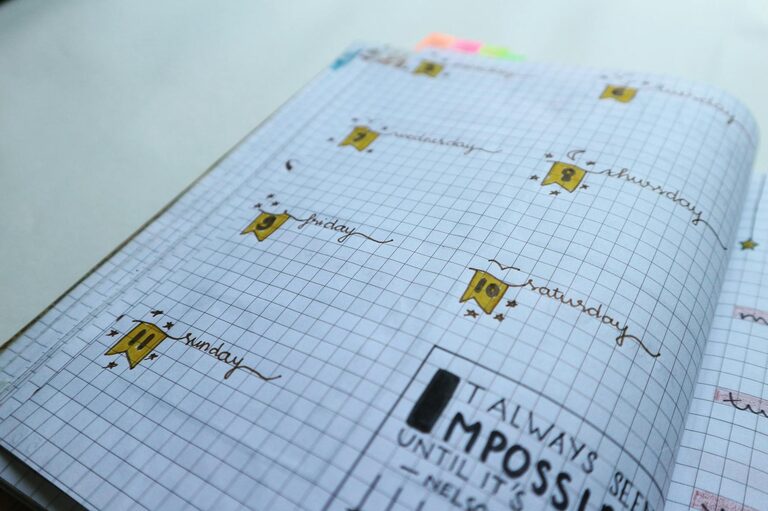
Bullet journaling is a versatile and creative way to organize your life, combining to-do lists, calendars, and personal notes into one customizable system. Whether you’re looking to boost your productivity, track habits, or simply find a creative outlet, bullet journaling offers a flexible approach to managing your time and tasks. This beginner’s guide will walk you through the basics of bullet journaling and help you get started on your own journaling journey.
What Is Bullet Journaling?
Bullet journaling, often called BuJo, is a method of personal organization developed by Ryder Carroll. It uses simple symbols and short-form notes to keep track of tasks, events, and thoughts. Unlike traditional planners, a bullet journal is entirely customizable to fit your unique needs and style.
Why Start a Bullet Journal?
– Flexibility: You design every page to suit how you work.
– Clarity: The system emphasizes quick, concise notes.
– Creativity: You can decorate and personalize your journal anytime.
– Mindfulness: Journaling helps you stay present and focused.
Getting Started: What You Need
Starting a bullet journal requires very little—just a notebook and a pen. However, here are some supplies that might enhance your experience:
– Notebook: Dotted or grid notebooks are popular because they provide guidance without limiting creativity.
– Pens: Fine-tip pens or gel pens for neat writing.
– Ruler: For drawing straight lines and boxes.
– Markers/highlighters: To categorize or decorate.
– Stickers or washi tape: Optional, for visual appeal.
Remember, simplicity is key when beginning, so don’t invest in many tools until you find what works for you.
Basic Components of a Bullet Journal
Index
The index is the table of contents for your bullet journal. It helps you quickly find collections, logs, or special pages.
Future Log
This section records events or goals months ahead, offering a big-picture view of your year.
Monthly Log
A calendar or list format outlining important dates and tasks for the current month.
Daily Log
Daily to-do lists, notes, and events recorded day by day.
Collections
These can be habit trackers, goal lists, book logs, or any other categories you create.
Signifiers
Symbols give your notes structure. Common signifiers include:
– • (Bullet): Task
– x: Completed task
– > (Arrow): Migrated task (moved to another day)
– O: Event
– -: Note
You can customize these symbols to suit your preference.
Step-by-Step to Create Your First Bullet Journal
1. Set Up Your Index
Reserve the first few pages and number them. As you add pages, record their titles and numbers in the index.
2. Create Your Future Log
Divide a spread into the upcoming 4-6 months. Write major events or deadlines under each month.
3. Make a Monthly Log
On a new spread, write the month’s name. On the left page, list dates and weekdays vertically; on the right, create a task list.
4. Begin Daily Logs
Start with today’s date. List tasks, events, and notes. Use bullets and signifiers to keep your entries organized.
5. Add Collections
Include pages for anything you want to track or plan separately, like books to read, fitness goals, or meal plans.
Tips for Keeping Your Bullet Journal Going
– Start simple: Don’t worry about making your journal perfect.
– Be consistent: Try to update daily or weekly.
– Adjust as needed: Change layouts or symbols to fit your habits.
– Incorporate creativity: Add doodles, colors, or quotes that motivate you.
– Review regularly: Reflect on completed tasks and plan ahead.
Common Layout Ideas for Beginners
Habit Tracker
Track daily habits like drinking water, exercise, or reading. Use a grid and shade boxes for completed days.
Mood Tracker
Record your mood each day using colors or symbols to spot patterns.
Gratitude Log
Write something you’re grateful for each day to promote positivity.
Goal Setting Page
Outline short-term and long-term goals with actionable steps.
Digital vs. Paper Bullet Journals
While traditional bullet journaling uses physical notebooks, some prefer digital apps for convenience and editability. Consider your lifestyle and preferences when deciding which method suits you best.
Final Thoughts
Bullet journaling is a powerful tool to bring organization and creativity into your daily routine. Starting your own journal is simple: grab a notebook, jot down your tasks, and personalize as you go. Over time, you may find it becomes not only a planner but also a reflection of your growth and goals.
Happy journaling!