
Simple Ways to Reduce Noise at Home for a Calmer Space
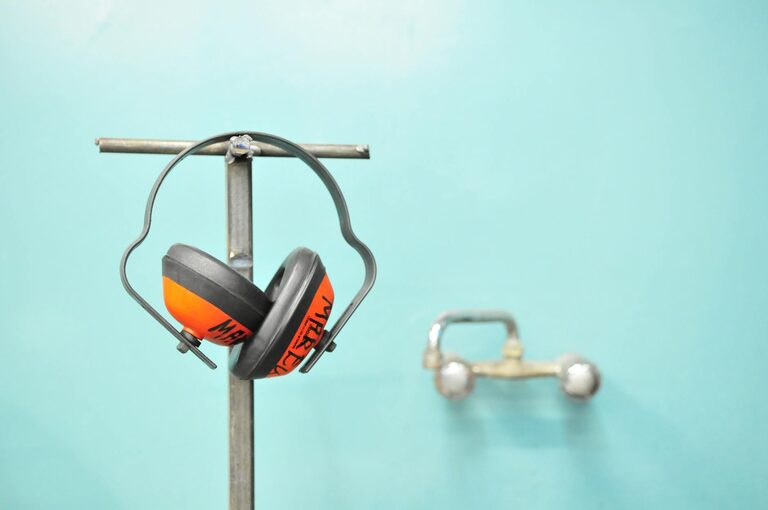
Creating a calm and quiet living space can significantly improve your comfort and well-being. Whether you live in a bustling city or a busy neighborhood, noise can disrupt your relaxation and focus. Fortunately, there are simple and affordable ways to reduce noise at home without a full renovation. This post will explore practical tips and strategies to help you enjoy a quieter environment.
Understanding Common Noise Sources at Home
Before diving into solutions, it’s helpful to identify where noises typically come from:
– Outdoor sounds: Traffic, construction, neighbors, pets, and weather.
– Indoor noises: Appliances, footsteps, conversations, electronics, and HVAC systems.
– Structural issues: Thin walls, windows, and doors can let in sounds more easily.
Knowing your noise sources will help you choose the most effective noise-reduction methods.
Simple Tips to Reduce Noise Indoors
1. Use Soft Furnishings to Absorb Sound
Hard surfaces reflect sound waves, making noises louder. Soft materials absorb sound and help reduce echoes:
– Add rugs or carpets to floors.
– Use thick curtains or drapes on windows.
– Include upholstered furniture and cushions.
– Hang fabric wall art or tapestries.
These additions not only soften noise but also add warmth to your home decor.
2. Seal Gaps and Cracks
Noises often sneak in through small openings around windows, doors, and walls. Sealing these gaps can keep sound out:
– Apply weatherstripping or door sweeps under exterior doors.
– Use caulk or foam sealant to fill cracks around window frames.
– Install draft stoppers at the base of doors leading outside or to noisy rooms.
Sealing these gaps improves both noise insulation and energy efficiency.
3. Rearrange Furniture Strategically
Furniture placement can act as a buffer against noise:
– Place bookshelves or cabinets against walls that face noisy streets.
– Use large furniture pieces near shared walls in apartments.
– Create cozy nooks with soft seating away from high-traffic areas.
Furniture absorbs and blocks sound, so rearranging can make a big difference.
Window and Door Solutions
4. Upgrade or Enhance Windows
Windows are a common weak point when it comes to noise:
– Consider double-glazed or soundproof windows if you’re ready to invest.
– If replacement isn’t an option, use thick curtains or window inserts for added insulation.
– Install heavy blinds that can help reduce outdoor noise.
5. Use Solid Core Doors
Interior hollow-core doors allow sound to pass freely. Installing solid core doors:
– Blocks more sound between rooms.
– Offers better privacy and quietness.
Adding weatherstripping around the door frame further improves soundproofing.
Managing Outdoor Noise Intrusion
6. Add Plants and Greenery
Plants help absorb sound naturally while enhancing your living space:
– Place tall shrubs, bushes, or hedges along noisy property lines.
– Use indoor plants like rubber plants or peace lilies to absorb indoor echo.
– Set up vertical gardens or green walls if you have limited outdoor space.
7. Create Outdoor Barriers
Physical barriers outside your home reduce noise levels inside:
– Install fences made of dense materials such as wood or composite.
– Use soundproof fencing sheets if allowable.
– Build a small earth berm or raised planter beds to block noise.
Soundproofing Solutions for Critical Areas
8. Install Acoustic Panels or Foam
If certain rooms face persistent noise problems (e.g., home office, bedroom):
– Add acoustic panels on walls or ceilings to dampen sound.
– Use soundproof foam tiles behind TVs or audio devices.
– Hang thick blankets or quilts temporarily for quick noise reduction.
Acoustic treatments are especially beneficial for echo reduction and improving sound quality indoors.
9. Mind Your Flooring Choices
Flooring can contribute to noise levels inside your home:
– Use cork or rubber underlay beneath hard floors to reduce impact noise.
– Add rugs runners in hallways and stairs to minimize footsteps.
– Consider carpet in high-traffic areas for quieter movement.
Daily Habits to Minimize Noise
10. Manage Appliance and Electronics Volume
– Lower TV, speakers, and device volumes.
– Use headphones when possible.
– Maintain appliances to avoid noisy operation or vibrations.
11. Encourage Quiet Times
Set household rules for quiet hours during early morning or late evening, especially if you live with multiple people or in shared spaces. This promotes a peaceful environment and helps everyone enjoy calm moments.
—
Reducing noise at home doesn’t require expensive remodeling—small changes can make a big impact. By combining soft furnishings, sealing gaps, strategic furniture placement, and soundproofing techniques, you can create a more tranquil living space. Experiment with these ideas and identify what works best for your unique home environment. Enjoy the peace and quiet that come with a thoughtful approach to noise reduction!